Torque converters and manual transmissions represent distinct approaches to power delivery, each with unique characteristics and historical roles in automotive engineering.
Traditionally, manuals offered driver control, while automatics, often utilizing torque converters, prioritized convenience; however, modern trends explore hybrid systems.
The core function of a torque converter involves fluid coupling, multiplying engine torque, and smoothing power transfer, unlike the direct mechanical link of a manual gearbox.
This blending of technologies—integrating a torque converter with a manual transmission—is gaining traction, offering a novel solution for specific driving needs and preferences.
Understanding the fundamentals of both systems is crucial for appreciating the potential benefits and challenges of this increasingly popular combination.
The Traditional Roles of Each System
Manual transmissions historically provided drivers with direct mechanical control, emphasizing engagement and often delivering superior fuel efficiency due to their direct power transfer. They were favored by enthusiasts prioritizing performance and a connected driving experience.
Torque converter automatics, conversely, prioritized convenience and ease of use, handling gear changes automatically. They excelled in stop-and-go traffic, reducing driver fatigue, but often sacrificed some efficiency.
The torque converter’s fluid coupling smoothed power delivery, making for a comfortable ride, while manuals offered a more raw and responsive feel. These roles defined the automotive landscape for decades.
The Growing Interest in Hybrid Systems
Recent automotive trends demonstrate a rising interest in combining the strengths of both torque converter automatics and manual transmissions. This pursuit isn’t about replacing either system entirely, but rather creating novel configurations.
Manufacturers and enthusiasts alike are exploring ways to leverage the low-speed torque multiplication of a converter with the driver control and efficiency potential of a manual gearbox.
This hybridization aims to deliver enhanced drivability, particularly in challenging conditions, while retaining a degree of driver engagement often lost in fully automatic systems.
Why Combine a Torque Converter with a Manual Transmission?
Combining these systems addresses limitations of both; torque converters improve low-speed maneuverability, while manuals offer efficiency and control.
This pairing enhances launch characteristics, providing smoother starts and increased torque multiplication when needed for demanding applications.
Addressing Low-Speed Maneuverability
Manual transmissions can be challenging at very low speeds, often requiring precise clutch control to avoid stalling or jerky movements. Integrating a torque converter mitigates this issue by providing a fluid coupling, allowing the engine to continue running even when the vehicle is nearly stationary.
This is particularly beneficial in stop-and-go traffic, off-road situations, or during technical driving maneuvers where precise speed control is paramount. The torque converter effectively acts as an automatic clutch, simplifying operation and enhancing drivability.
Improving Launch Characteristics
Combining a torque converter with a manual transmission can significantly enhance launch performance, particularly in scenarios demanding rapid acceleration. The torque converter’s ability to multiply torque provides an initial boost, overcoming the inertia of the vehicle more effectively than a traditional clutch alone.
This is advantageous in applications like drag racing or off-road rock crawling, where immediate power delivery is crucial. The fluid coupling allows for smoother, more controlled launches, minimizing wheel spin and maximizing forward momentum.
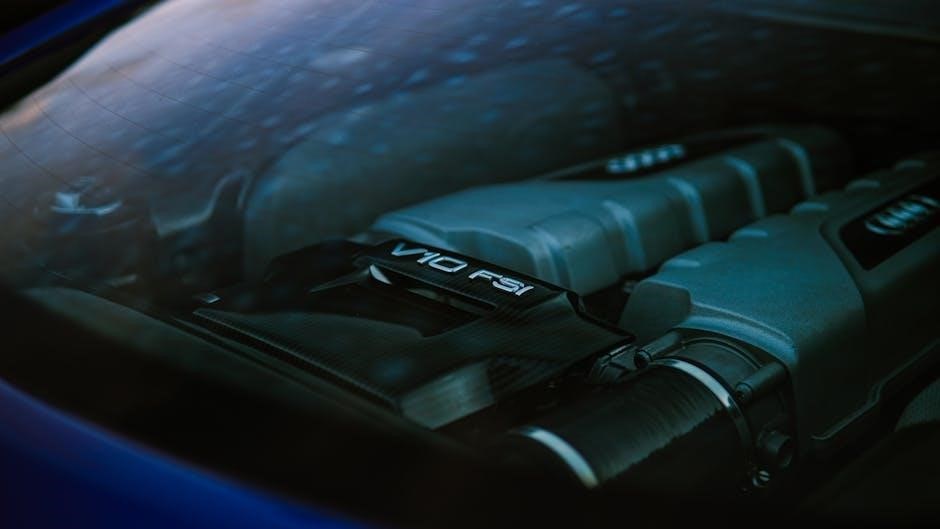
How Does a Torque Converter Adapt to a Manual Transmission?
Adapting a torque converter to a manual transmission necessitates specialized adapters and often, custom fabrication to bridge the dimensional and mechanical differences between them.
Careful consideration of spline counts and bolt patterns is essential for a secure and functional connection.
The Role of Adapters and Custom Fabrication
Adapters are pivotal in uniting the torque converter and manual transmission, overcoming inherent mismatches in mounting surfaces and input shaft configurations.
Often, a direct bolt-on solution isn’t available, necessitating custom fabrication of adapter plates tailored to the specific transmission and converter pairing.
This process demands precision machining to ensure proper alignment and prevent vibration, guaranteeing smooth power transfer.
Skillful welding and material selection are also crucial for durability and reliability.
Understanding Spline Counts and Bolt Patterns
Spline counts on the torque converter and manual transmission input shaft must align for proper engagement; mismatches require custom shafts or adapters.
Bolt patterns—the arrangement of mounting holes—also demand careful consideration, as they dictate adapter plate design and compatibility.
Accurate measurement and documentation of these parameters are essential before commencing any conversion work.
Incorrect spline counts or bolt patterns lead to instability and potential transmission failure.

Components Required for the Conversion
Successful conversion demands a modified torque converter, a specialized adapter plate to bridge the gap, and a carefully considered flywheel adjustment for compatibility.
These components ensure proper alignment and function when merging automatic and manual elements.
Modified Torque Converter Design
Adapting a torque converter for manual transmission use necessitates significant internal modifications, moving beyond its typical automatic function. The standard stator and impeller setup requires alterations to allow for lock-up capabilities, mimicking a clutch’s direct drive.
This involves incorporating a locking mechanism, often a clutch pack, within the torque converter housing. This enables efficient power transfer at cruising speeds, minimizing slippage and improving fuel economy. Customization focuses on ensuring smooth engagement and disengagement, preventing shuddering or vibrations during transitions.
Specialized Adapter Plate
The adapter plate is a critical component, bridging the torque converter and the manual transmission’s input shaft. It must precisely align both components, compensating for differing bolt patterns and spline counts.
Fabrication often involves machining a custom plate from billet aluminum or steel, ensuring robust construction and accurate fitment. Careful consideration of material thickness and rigidity is vital to prevent flexing under load. This plate effectively creates a secure and reliable mechanical connection.
Adjusted Flywheel Considerations
The flywheel requires careful modification or replacement when integrating a torque converter with a manual transmission. Standard manual flywheels lack the necessary mounting surface for the torque converter’s pilot shaft.
Adapting often involves machining a recess into the existing flywheel or utilizing a custom-built flywheel designed for this hybrid setup. Ensuring proper balance is crucial to minimize vibrations, and the flywheel’s weight impacts driveline inertia.
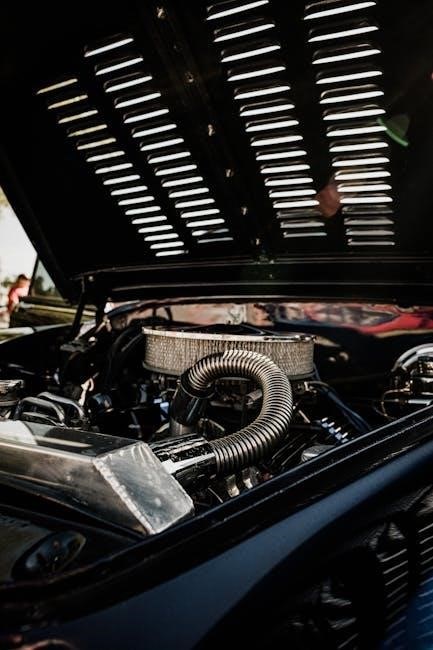
Benefits of a Torque Converter-Manual Transmission Setup
This setup enhances drivability in stop-and-go traffic, offering smoother launches and low-speed control. It also potentially boosts fuel efficiency and provides a unique driving experience.
Enhanced Drivability in Stop-and-Go Traffic
The integration of a torque converter with a manual transmission significantly improves the driving experience in congested urban environments. Unlike a traditional manual requiring constant clutch engagement and disengagement, the torque converter allows for ‘creeping’ forward without stalling.
This eliminates the need for repetitive pedal work, reducing driver fatigue during frequent stops and starts. The fluid coupling provides a smoother, more forgiving response, making low-speed maneuvering considerably easier and more comfortable for the operator.
Essentially, it bridges the gap between the control of a manual and the convenience of an automatic in challenging traffic conditions.
Potential for Increased Fuel Efficiency
Combining a torque converter with a manual transmission can unlock surprising fuel efficiency gains. The torque converter’s ability to multiply torque at low speeds allows the engine to operate within its optimal efficiency range more frequently.
This reduces the need for downshifting, minimizing engine load and maximizing mileage. Furthermore, the smoother power delivery contributes to a more consistent driving style, avoiding harsh accelerations that consume extra fuel.
While results vary, this hybrid setup presents a viable path towards improved economy.
Challenges and Considerations
Implementing a torque converter with a manual transmission introduces complexities, increased weight, and significant customization costs. Installation demands expertise, and potential vibrations require careful attention.
Complexity of Installation
Integrating a torque converter into a manual transmission system isn’t a straightforward swap; it demands substantial mechanical skill and often, custom fabrication. Adapters are crucial, requiring precise alignment and secure mounting.
Modifying the flywheel, ensuring proper clearances, and addressing potential interference points are all intricate steps. Furthermore, the hydraulic lines for the torque converter necessitate careful routing and connection, adding to the overall installation difficulty.
Potential for Increased Weight
Adding a torque converter to a traditionally manual transmission vehicle invariably increases the overall weight of the drivetrain. The torque converter itself is a substantial component, contributing significantly to this increase.
Furthermore, the necessary adapter plate and any supporting modifications, like reinforced mounting brackets, also add weight. This added mass can negatively impact vehicle handling, acceleration, and potentially, fuel economy, requiring careful consideration.
Cost of Customization
Implementing a torque converter with a manual transmission often necessitates extensive customization, driving up costs considerably. Adapter plates are rarely off-the-shelf items, frequently requiring custom fabrication. Modified torque converters, flywheel adjustments, and potential transmission case modifications add to the expense.
Labor costs for skilled machinists and installers are significant, potentially exceeding the price of the components themselves. This makes it a costly endeavor compared to standard transmission swaps.
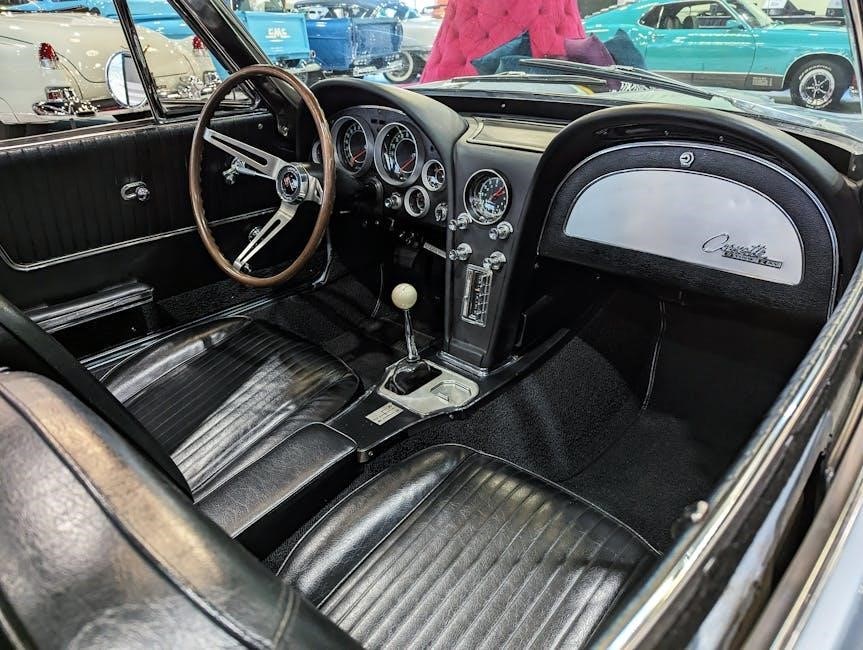
Common Applications and Use Cases
This setup excels in off-road vehicles, providing low-speed control for rock crawling, and in performance builds seeking improved launch characteristics and drivability.
Racing applications benefit from the torque multiplication and smoother power delivery, enhancing acceleration and overall track performance.
Off-Road Vehicles and Rock Crawlers
For off-road enthusiasts, particularly those engaged in rock crawling, the integration of a torque converter with a manual transmission offers substantial advantages. The torque converter’s ability to multiply engine torque at low speeds provides increased control and prevents stalling on challenging terrain.
This combination delivers a smoother, more manageable power delivery, crucial when precise throttle control is paramount. It allows for sustained low-speed operation without the jerky engagement often associated with traditional manual clutches, enhancing the overall off-road experience.
Performance and Racing Applications
In performance and racing contexts, a torque converter paired with a manual transmission can unlock unique tuning possibilities. The torque converter’s stall speed can be adjusted to optimize launch characteristics, maximizing acceleration off the line.
This setup allows drivers to maintain engine RPM within its peak power band during gear changes, minimizing power interruption and improving overall track times. It offers a blend of automated launch assistance and manual control for experienced racers.
Troubleshooting Common Issues
Common problems include vibrations, shuddering, or slippage, indicating potential misalignment or fluid issues. Inspect adapter connections and fluid levels regularly for optimal performance.
Inefficient power transfer often signals torque converter malfunction, requiring professional diagnosis and repair to restore functionality.
Vibrations and Shuddering
Persistent vibrations or shuddering during acceleration or cruising often point to imbalances within the torque converter-manual transmission setup. Misalignment of the adapter plate is a primary suspect, requiring careful inspection and re-torquing of bolts.
Internal torque converter issues, such as damaged stator blades or worn bearings, can also induce these symptoms. Fluid levels should be checked, as low fluid can exacerbate vibrations. Thoroughly examine the flywheel for runout, as this can transmit vibrations throughout the drivetrain.
Slippage and Inefficient Power Transfer
Excessive slippage between the torque converter and manual transmission indicates a loss of mechanical connection, reducing overall efficiency. Worn friction surfaces within the torque converter are a common cause, diminishing its ability to effectively transfer engine power.
Improper fluid viscosity or contamination can also contribute to slippage. Adapter plate issues, like improper alignment or loose mounting, can create gaps, hindering power transfer. Inspect the spline connections for wear or damage.
The Future of Torque Converter-Manual Hybrids
Advancements in adapter technology and improved torque converter designs promise easier installations and enhanced performance. Factory integration remains a long-term goal, potentially offering a refined driving experience.
Advancements in Adapter Technology
Adapter plate development is rapidly evolving, moving beyond simple custom fabrication towards more precise and readily available solutions. CNC machining ensures tighter tolerances, minimizing vibration and maximizing power transfer efficiency.
New materials, like billet aluminum and high-strength steel alloys, are increasing adapter durability and reducing weight. Digital design and 3D printing are accelerating prototyping and refinement processes, leading to quicker market availability of improved adapters.
Furthermore, modular adapter systems are emerging, offering compatibility across a wider range of transmission and engine combinations.
Potential for Factory Integration
Automakers are increasingly exploring hybrid powertrain configurations, and factory integration of a torque converter with a manual transmission isn’t entirely far-fetched. Demand for improved fuel efficiency and drivability could drive this innovation.
Such a system could offer the benefits of both technologies – the efficiency of a manual with the smoothness of a torque converter – appealing to a broader customer base.
However, cost and complexity remain significant hurdles to widespread factory adoption.
Cost Analysis: Building vs. Buying
Custom builds demand sourcing adapters and components, potentially exceeding $1,500, while pre-built kits offer convenience, ranging from $2,000 to $4,000, depending on application.
Labor costs significantly impact custom builds, making kits attractive despite a higher initial price.
Estimating the Cost of a Custom Build
A custom torque converter-manual transmission setup requires meticulous budgeting. The specialized adapter plate alone can range from $500 to $1,000, depending on the vehicle and transmission pairing. Torque converter modification or a custom unit adds another $800-$1,500.
Flywheel adjustments, spline count verification, and potential bellhousing alterations contribute $300-$600. Don’t forget fabrication costs if custom work is needed, easily adding $500+ depending on complexity. Finally, professional installation can range from $800 to $1,500, bringing the total to $2,900 ⎼ $4,900.
Exploring Pre-Built Conversion Kits
Pre-built conversion kits offer a streamlined, albeit potentially pricier, alternative to a fully custom build. These kits typically include the adapter plate, modified torque converter, and necessary hardware, ranging from $3,500 to $6,000.
While reducing fabrication time and complexity, ensure the kit is specifically designed for your vehicle and transmission combination. Consider potential compatibility issues and the need for minor adjustments during installation. Kits often simplify the process, but professional installation is still recommended.

Safety Precautions During Installation
Always adhere to proper torque specifications for all fasteners. Regularly monitor transmission fluid levels post-installation, ensuring correct operation and preventing damage to components.
Disconnect the battery and use jack stands for secure vehicle support during the conversion process.
Proper Torque Specifications
Accurate torque application is paramount during installation; Refer to the vehicle’s service manual and adapter kit instructions for precise values for all bolts – flywheel, adapter plate, and torque converter housing.
Under-torquing can lead to loosening and potential failure, while over-torquing risks stripping threads or damaging components.
Employ a calibrated torque wrench and follow a cross-pattern tightening sequence to ensure even pressure distribution and a secure, reliable connection.
Double-check all fasteners after initial operation.
Fluid Level Monitoring
Maintaining correct transmission fluid levels is critical for optimal torque converter function. Regularly check the fluid level using the dipstick, following the manufacturer’s recommended procedure – typically with the engine warm and at operating temperature.
Low fluid levels can cause slippage and overheating, while overfilling can lead to aeration and reduced efficiency.
Use the specified fluid type; incorrect fluid can damage internal components.
Monitor for leaks and address them promptly.
Resources for Further Information
Online forums and dedicated communities provide valuable insights and support for this conversion. Professional installation services offer expertise and ensure proper execution.
Seek guidance from experienced technicians and utilize available technical documentation.
Online Forums and Communities
Dedicated online forums are invaluable resources for those exploring torque converter and manual transmission hybrids. These platforms host discussions, build logs, and troubleshooting advice from enthusiasts who’ve undertaken similar projects.
Communities like those found on dedicated car forums or specialized transmission sites offer a space to ask questions, share experiences, and learn from others’ successes and failures.
Searching for specific vehicle makes and models alongside “torque converter manual swap” will often yield targeted forum threads and relevant information.
Professional Installation Services
Engaging professional installation services is highly recommended due to the complexity of a torque converter-manual transmission conversion. Experienced mechanics possess the necessary expertise in adapter fitting, fluid dynamics, and transmission alignment.
Shops specializing in custom fabrication or performance transmissions are ideal candidates, ensuring precise work and minimizing potential issues. They can also handle custom tuning and diagnostics.
While more costly upfront, professional installation reduces the risk of errors and ensures a reliable, long-lasting conversion.
Legal Considerations and Regulations
Modifying vehicle transmissions may require adherence to emissions standards and local vehicle modification laws. Ensure compliance to avoid legal repercussions and maintain roadworthiness.
Check local regulations regarding drivetrain alterations before undertaking a torque converter-manual transmission conversion.
Emissions Compliance
Converting to a torque converter-manual hybrid can potentially impact a vehicle’s emissions profile, necessitating careful consideration of regulatory requirements. Modifications affecting the powertrain often trigger scrutiny, particularly concerning exhaust emissions and onboard diagnostic (OBD) systems.
Ensure the conversion doesn’t disable or compromise any emissions control devices, such as catalytic converters. Verification through emissions testing may be required post-modification to demonstrate continued compliance with applicable standards. Failure to adhere to these regulations can result in fines or vehicle impoundment.
Vehicle Modification Laws
Implementing a torque converter-manual transmission conversion is subject to varying vehicle modification laws depending on your jurisdiction. These laws dictate what alterations are permissible and often require inspections to ensure safety and roadworthiness.
Some regions mandate engineering certifications or compliance checks before a modified vehicle can be legally operated on public roads. Thoroughly research local regulations regarding powertrain modifications to avoid legal repercussions, including fines or vehicle registration issues.